Home > Surgical Services > Sterile Processing

Sterile Processing

Sterile Processing

Degree Type: Certificate, CER
Pathway: Health Sciences
catalog linkPathway InformationRequest Information

Why Choose Sterile Processing at PPSC? 

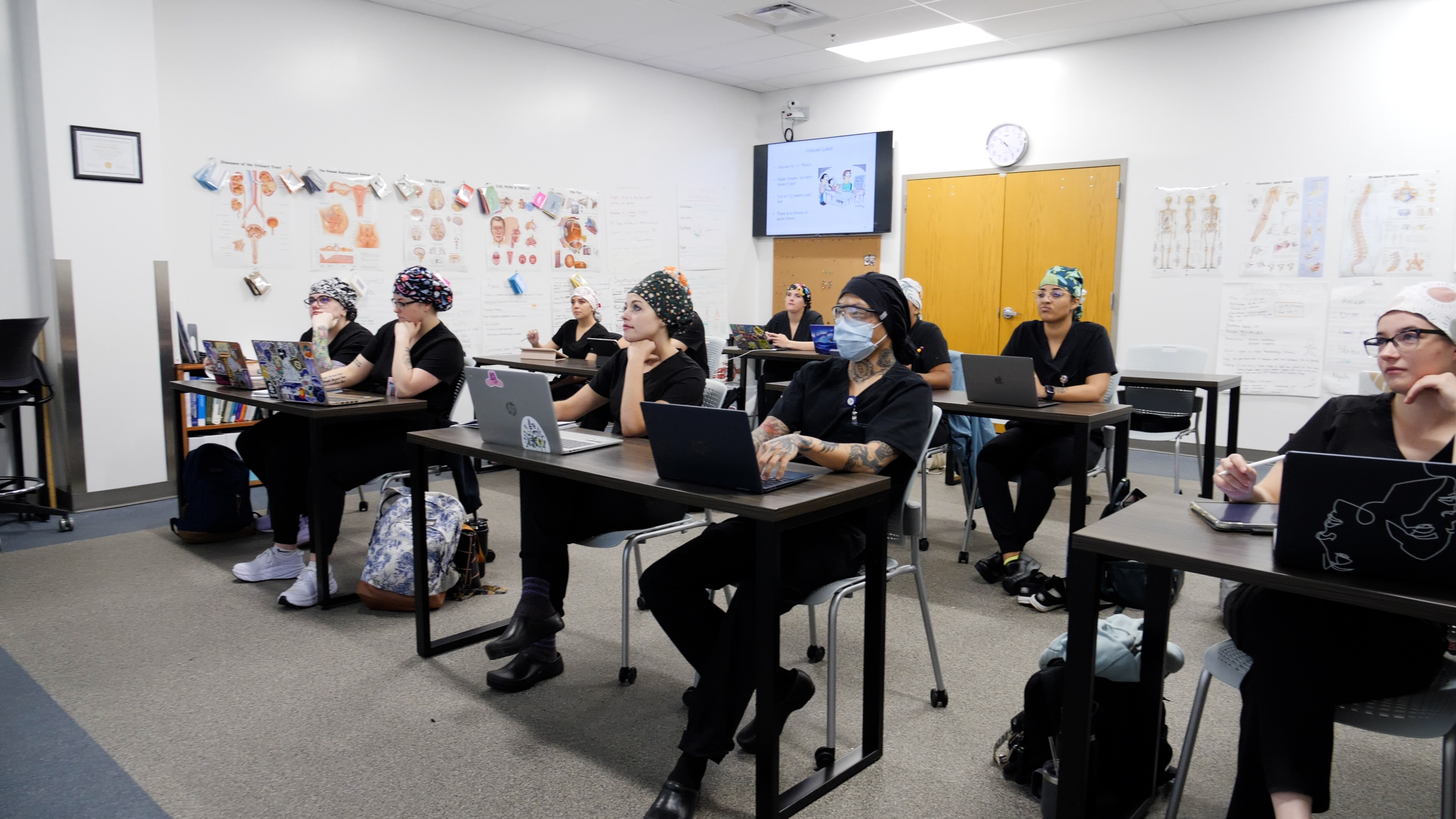
The Sterile Processing Technology Certificate prepares students for entry-level employment in sterile processing departments within hospitals and surgical centers. The program focuses on developing the technical knowledge and hands-on skills required to properly process surgical instruments and maintain sterile environments that support safe patient care. Students learn the principles of infection prevention, surgical instrument care, sterilization processes, inventory management, and healthcare documentation standards. Graduates are eligible to pursue the Healthcare Sterile Processing Association (HSPA) Certified Registered Central Service Technician (CRCST) credential.
 

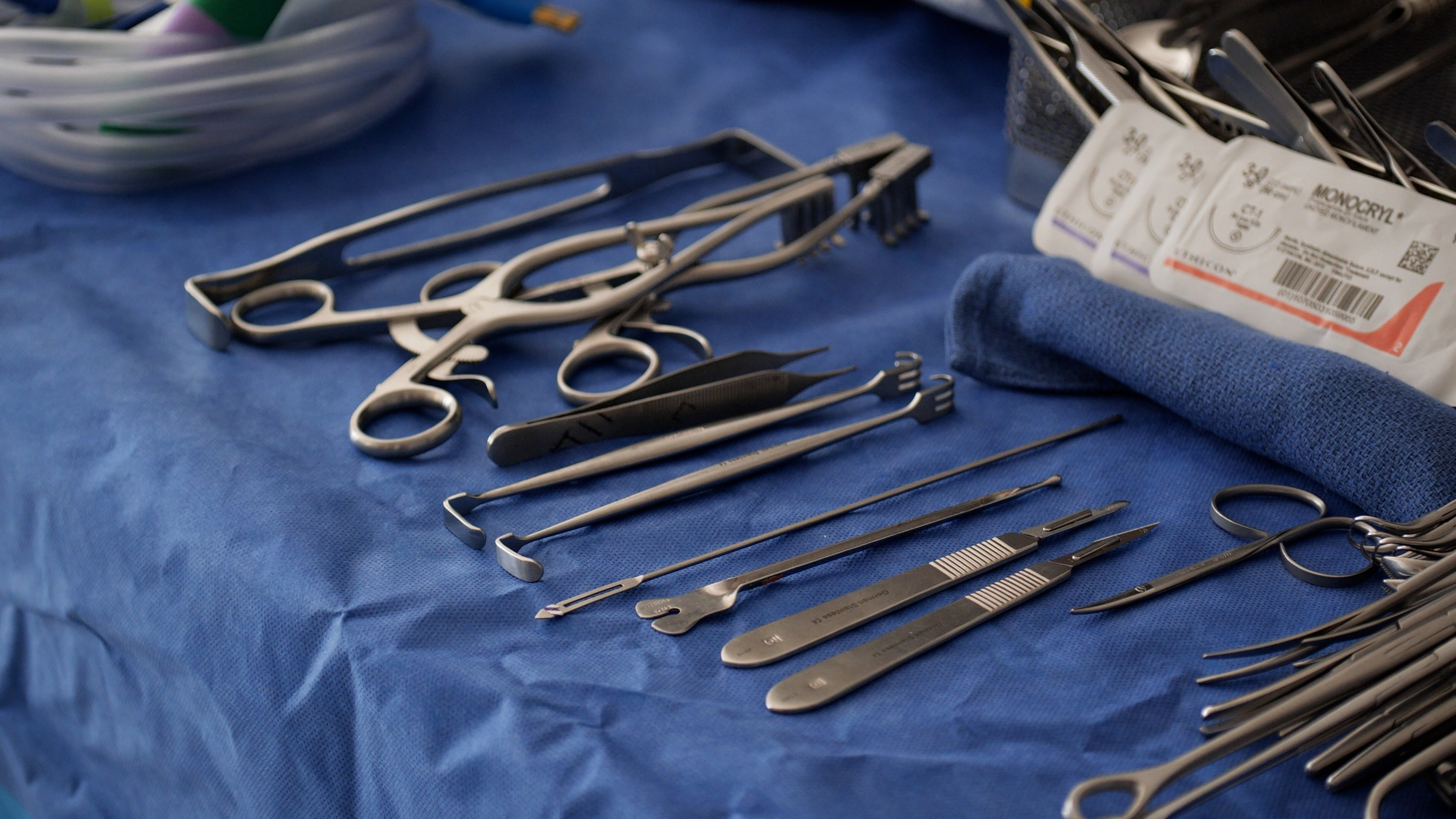
surgical intruments

What is a Sterile Processing Technician?

Sterile processing technicians are essential members of the healthcare team who support safe and effective patient care behind the scenes. They are responsible for the decontamination, inspection, assembly, sterilization, and distribution of surgical instruments and medical equipment used in operating rooms and other clinical areas.

Sterile processing technicians ensure that surgical instruments and medical equipment are properly cleaned, sterilized, functioning correctly, and ready for use. They work collaboratively with surgical teams and healthcare staff to maintain infection prevention standards and protect patient safety.

Upon completing the program, you will be prepared to take the Certified Registered Central Service Technician (CRCST) certification exam, signifying your commitment and expertise in the field.

What can you do with a Sterile Processing Technology Certificate?

Graduates of the Sterile Processing Technology Certificate program are prepared for entry-level positions in sterile processing departments within healthcare environments such as:

  • Hospitals
  • Ambulatory surgery centers
  • Outpatient surgical facilities
  • Endoscopy centers
  • Specialty clinics and procedure centers
Surgical instruments laid out on table
person icon

Certification Pathway for Current Technicians

Current Sterile Processing Technicians seeking certification are encouraged to apply. Prior experience in sterile processing is valued, and students may qualify for college credit through Prior Learning Assessment (PLA), specifically for SPI 1081 Internship.

Prior Learning Assessment (PLA):
PLA allows students to demonstrate the knowledge and skills they have gained through professional experience. If approved, students may earn credit for the internship without completing the 400 on-site clinical hours.
General PLA steps include identifying SPI 1081 as the course for credit petition, meeting with the program director to review qualifications, assembling a portfolio with required documentation, submitting the PLA application, and paying the portfolio review fee.

Detailed information is available in the PPSC PLA Student Handbook and on the Prior Learning Assessment webpage.

checkmark graphic

Important Enrollment Requirements

How to Enroll: 
To enroll, contact the Director of Surgical Services with your student ID number (S#) and the semester you wish to start. 

Instructions will then be provided on completing the compliance requirements for clinical clearance and program enrollment.
 
Instructor Signature for Enrollment:
Enrollment in the Sterile Processing Technology Certificate Program requires an instructor's signature. 

Instructor signatures are provided once students have been fully cleared with all pre-enrollment requirements, including Math and English placement, background check, drug screening, and required immunizations. 

Required items include Background check and drug screening as well as required immunizations and health documentation. 

Students must meet the background screening requirements outlined by the Colorado Community College System (CCCS). The specific disqualifying offenses are outlined in the CCCS SP 4-10c Student Background Checks policy

Immunization and Health Requirements:
Students must submit documentation for the following immunizations, including, but not limited to:
  • TB Test – Annually
  • Tdap – Every 10 years
  • Hepatitis B – 2 or 3 doses, depending on the vaccine; titer required if documentation is unavailable
  • MMR (Measles, Mumps, Rubella) – 2 doses or positive titer
  • Varicella (Chickenpox) – 2 doses or positive titer
  • Flu – Annually
  • COVID-19 Vaccine – Completed series required (boosters not required)
  • Optional - BLS/CPR (AHA Provider Level) – Every 2 years
Note: Immunization requirements may change based on clinical affiliation agreements.


Typical Work Environment

Sterile Processing Technicians typically work in sterile processing departments within hospitals and surgical centers. These departments are responsible for receiving, cleaning, inspecting, assembling, sterilizing, and distributing surgical instruments and medical equipment used throughout the facility.

Departments commonly include three work areas:

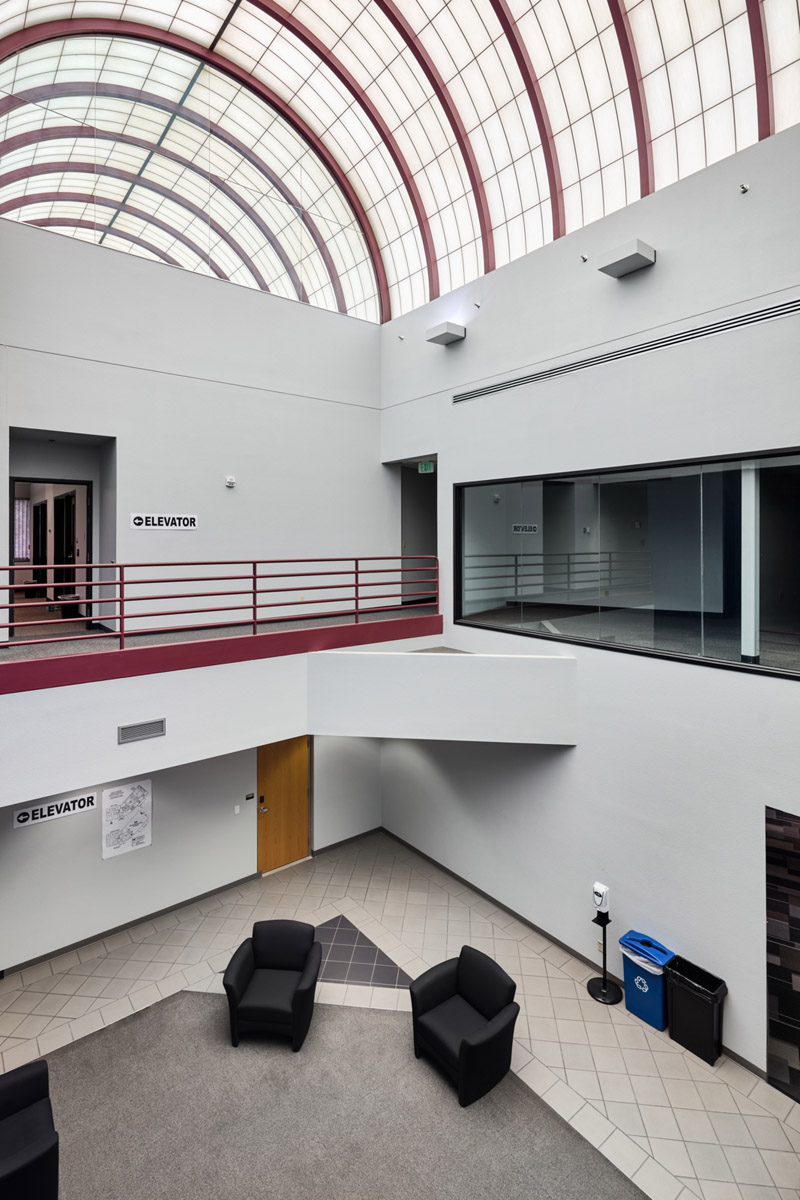
CHES Lobby

The Sterile Processing Technology Certificate is completed in one semester and consists of 18 credit hours, including classroom instruction, laboratory training, and a required clinical internship.

Required SPI – Sterile Processing Courses

SPI 1000 Sterile Instrument Processing – 4 credits
SPI 1001 Sterile Instrument Lab Skills – 4 credits
SPI 1081 Internship: Sterile Processing – 9 credits
SPI 2079 Seminar – 1 credit

Total Program Credits: 18

The program is offered in the following academic terms:

Fall semester (15 weeks)
Spring semester (15 weeks)
Summer accelerated semester (13 weeks)

Students may begin the program in any available term. Enrollment is limited to 15 students each semester.

Clinical education is completed through SPI 1081 Internship: Sterile Processing.

Students must complete 400 clinical hours during the semester. Clinical assignments are determined by the program and completed at approved healthcare facilities. Clinical locations may include Colorado Springs, Pueblo, Canon City, Woodland Park, and Denver. Students must provide their own transportation to the assigned clinical site.

Clinical education is unpaid.

Students should meet general college placement requirements including college readiness in:
  • English
  • Quantitative Literacy

Take the Next Step

Are you ready to make a significant impact in healthcare? Our program is designed to equip you with entry-level skills and foundational knowledge, ensuring you're prepared to contribute effectively to the healthcare environment from day one. If you're motivated to play a crucial role in maintaining health and safety standards in medical settings, we encourage you to take the next step.

For more information: 

Antoinette Trujillo-Fergus
Director of Surgical Services
Email: antoinette.trujillofergus@pikespeak.edu 
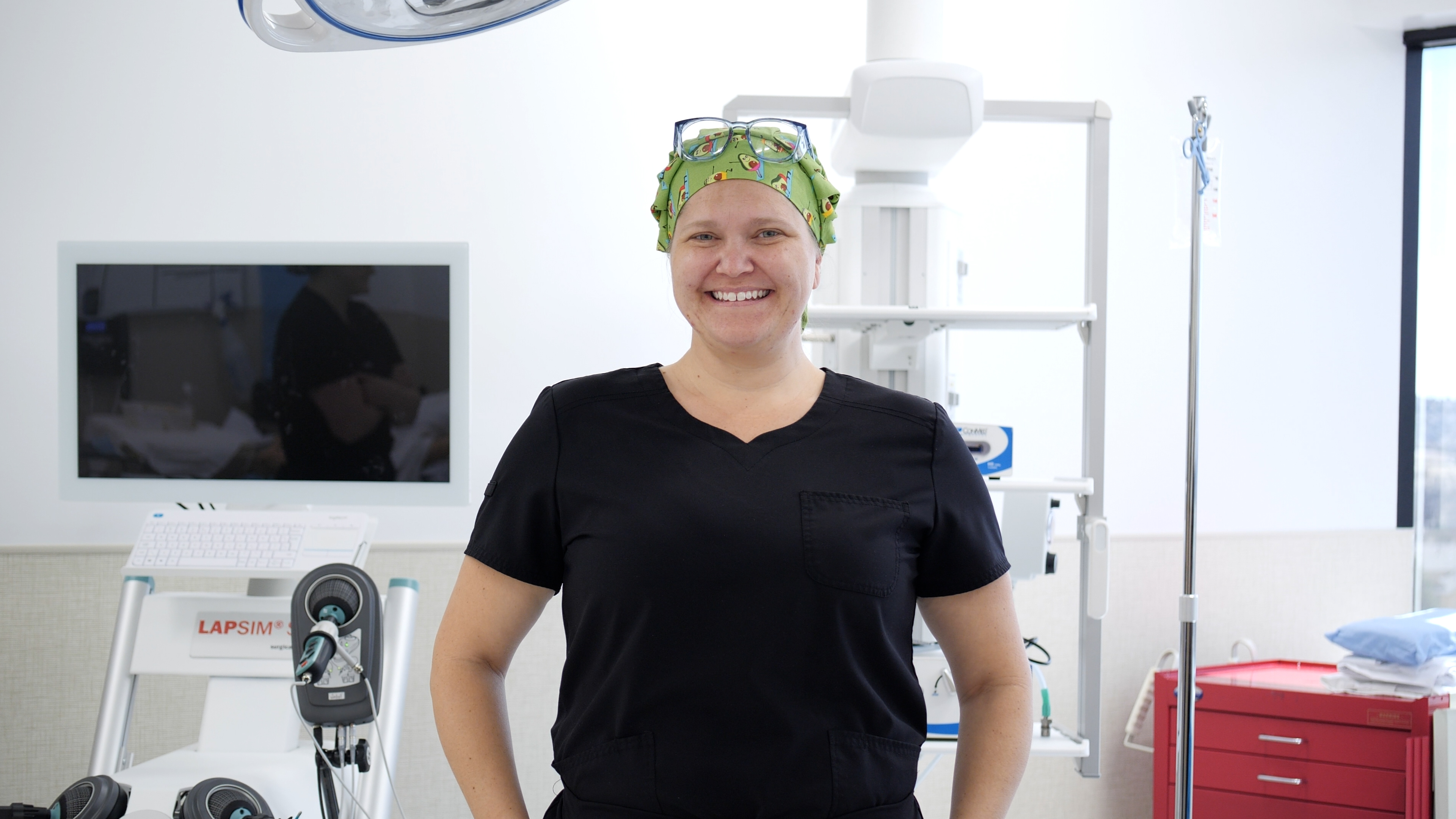
woman


Explore Additional Resources

Surgical Technology Program Information PPSC Academic Catalog
Getting Started with PPSC Transfer Credits in to PPSC


PPSC Tuition and Fees CCCS SP 4-10c – Student Background Checks
Apply to PPSC PPSC Financial Aid